Português / English
“This section is a timeline of the progress made so far and to highlight key achievements of the project.”
Blog Summary Widget
Team #7



Project Objectives

“Design and development of a photobioreactor and the sensors for monitoring concentration, flow rate, and dissolved CO2 in microalgae cultivation.”
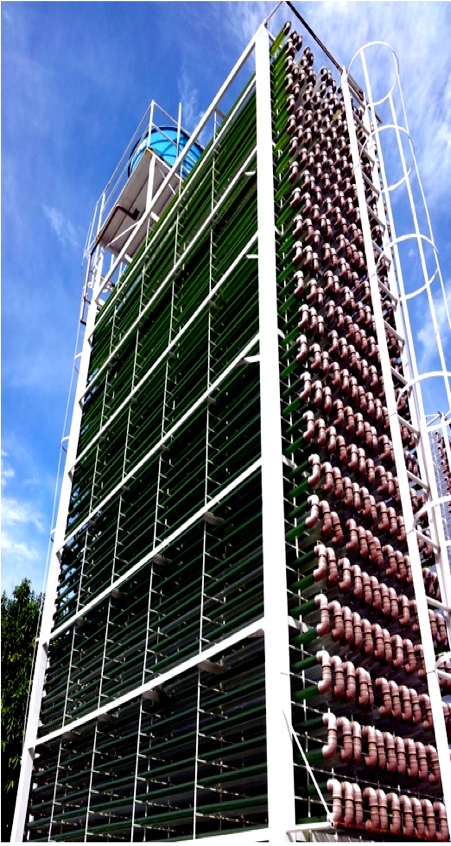
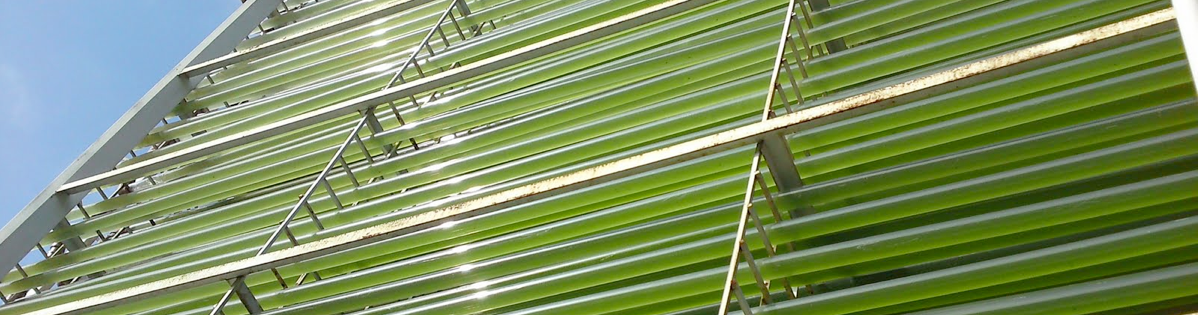
The ultimate goal for the project is to collect the necessary data in order to predict the optimal moment to shut down a photobioreactor and begin the process of extracting the algae for research into biofuel production and other commercial applications. The Goal for this years project is to develop a small-scale photobioreactor as a test bench for future research at FAMU-FSU College of Engineering. A small suite of prototyping sensors will be developed in conjunction with the photobioreactor in order to monitor:
1. Algae Concentration
2. Mass Flow Rate
3. CO2 Concentration
This project which encompasses the ideas of sustainable energy will be used in future research at the FAMU-FSU College of Engineering into biofuel production.
Marisabel Trochez, Piero Caballero, Lorena Sanchez, Justin Grant : FSU/FAMU COE
Guillerme Reksiedler, Jonathan Saber, Leonardo Hatschbach Maciel : UFPR
Dr. Juan Ordonez (Department of Mechanical Engineering, FSU) : Project Advisor
Dr. José Vargas (Department of Mechanical Engineering, UFPR) : Project Advisor
s part of an effort to introduce international collaboration into senior design with the aim of exposing student to the challenges and advantages of working on international teams, the FAMU-FSU college of engineering has collaborated with the Federal University of Paraná in Brazil since 2005 on an international capstone senior design projects.
Over these years, we have tried to conduct a sequence of complementary design studies that involve some prototype construction. Each project builds upon previous ones with the goal of developing an infrastructure for future collaborative energy projects between the two institutions.



A