Senior Design Team 306:
Leon County Energy Sustainability


Shown below is a preliminary design concept for Leon County to assemble a portable, self-contained solar charging station with ease. It would use a kit assembly typically used for campers and RV’s. Design materials are listed under the bill of materials and instructions on assembly is provided in the operation manual.
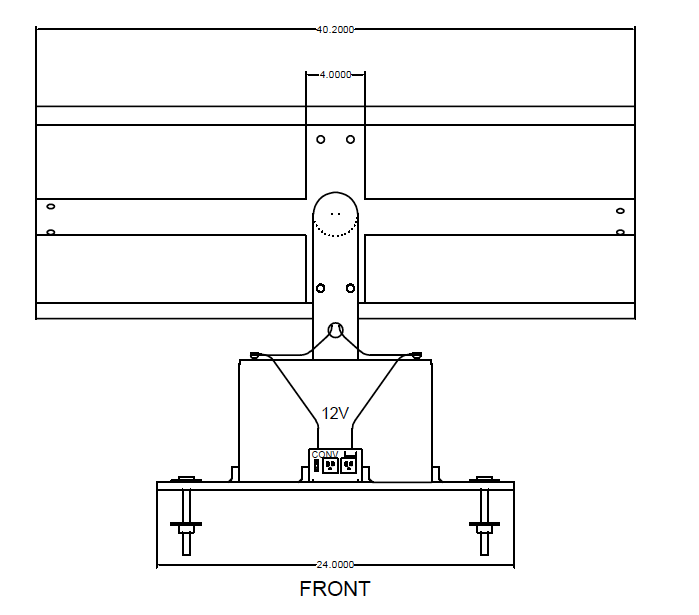
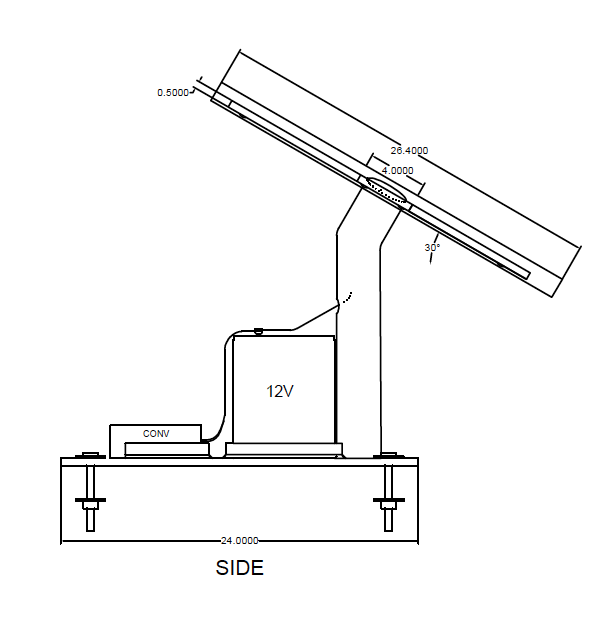
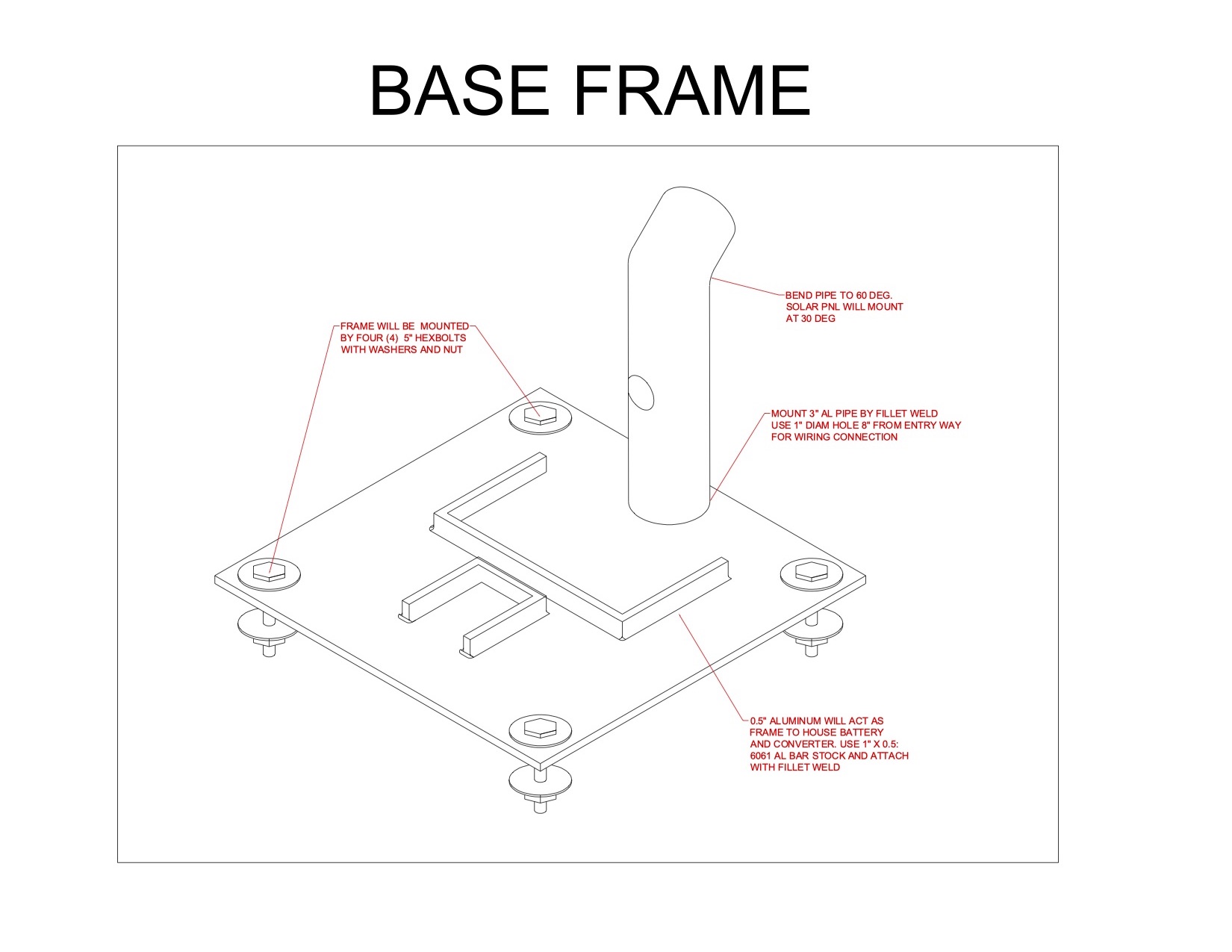
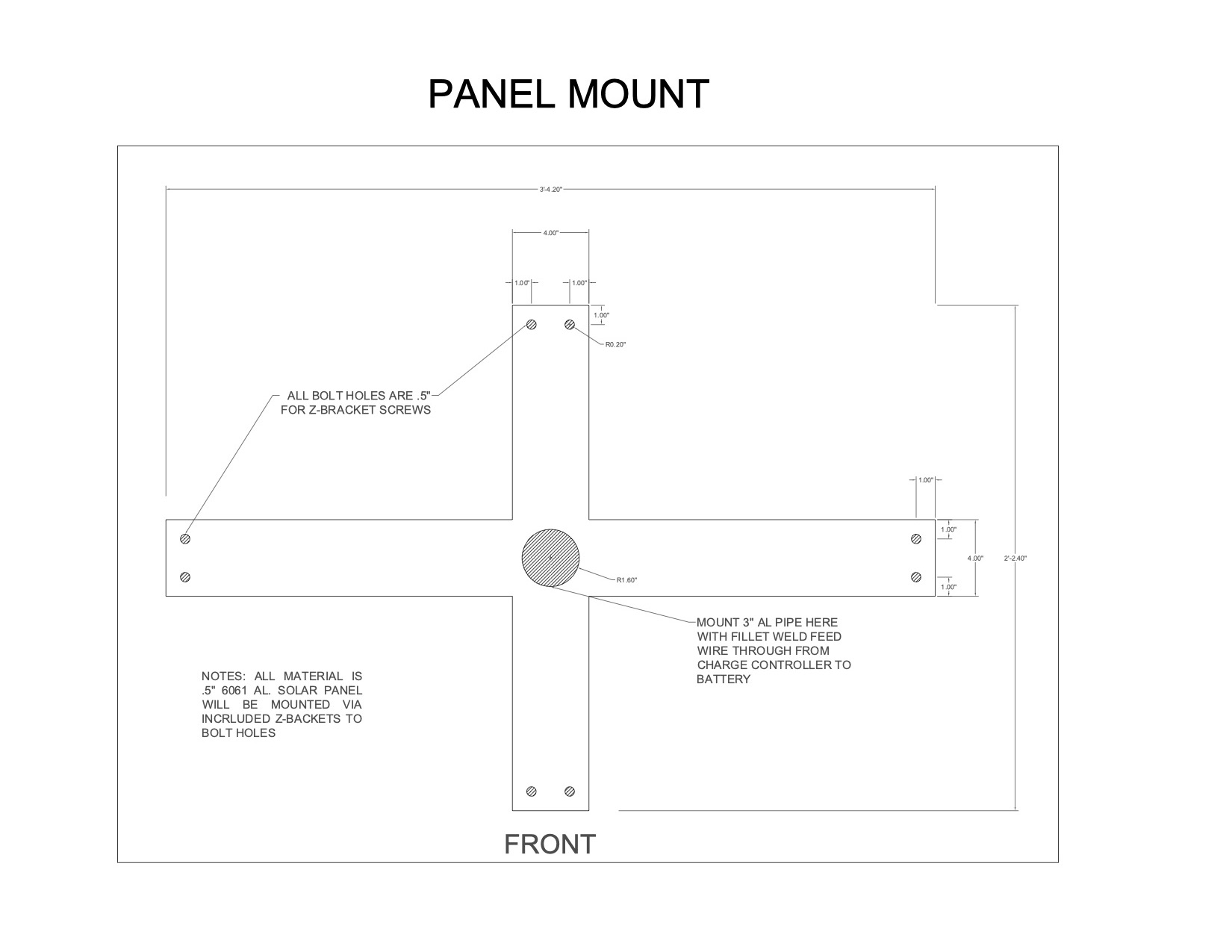
-Mechanical Assembly
-Wiring Diagrams
-Bill of Materials
We developed a design to be built by Leon County that would be composed of a self-contained solar energy generating and storage unit complete with inverter to output typical 60 Hz GFI Outlets for cell phone and laptop charging. This would be fastened to a normal wooden park bench, situated in an optimum location in the Park. The design required two components: a fabricated metal frame on which the components and wiring could be mounted as well as the solar system itself. For the solar powered system we are designing, we considered how best to approach the components. Since we are unable to do testing on it to determine its compatibility, we decided the best approach was to consider a kit that would include all of the required components. This actually ended up being the most cost-effective option that still met all of our requirements. Going this route, we determined that the Nature Power 410-W system best met all of our needs.
We also decided to include the Enerfusion charging station and the Big-Belly trash compactor because they were sustainable, they would be regulated without the need of someone controlling them, and they would not use anything outside of renewable energy. Since our project needed to promote renewable energy to the public, we figured that these projects would best suit that requirement. With that, we also figured that these would favor well in public exposure and public use.
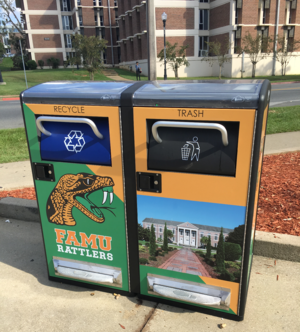
The Big Belly solar-powered trash compactor is a very dependable device. It has an integrated 4G LTE network wireless link to communicate to its hosts servers. The wireless connection allows for the trash compactor to communicate to the hosts of the device that it is nearing capacity so that someone can collect the waste from it. This allows for the host to make less frequent trips to collect the garbage from the compactors and in turn redu ces carbon emissions produced by garbage trucks. The trash compactors also do not require high maintenance. Another feature on this device that aids in increased sustainability is the filling sensor, which communicates to the compactor component when to compact the trash. The need to pick up garbage becomes much less frequent than say if a regular trash can was in its place. The device has saved many customers more money, time, and increased the sustainability of their organizations by increasing recycling and reducing carbon emissions. FAMU is one of the customers of the product and they have saved money and increased sustainability around their campus.
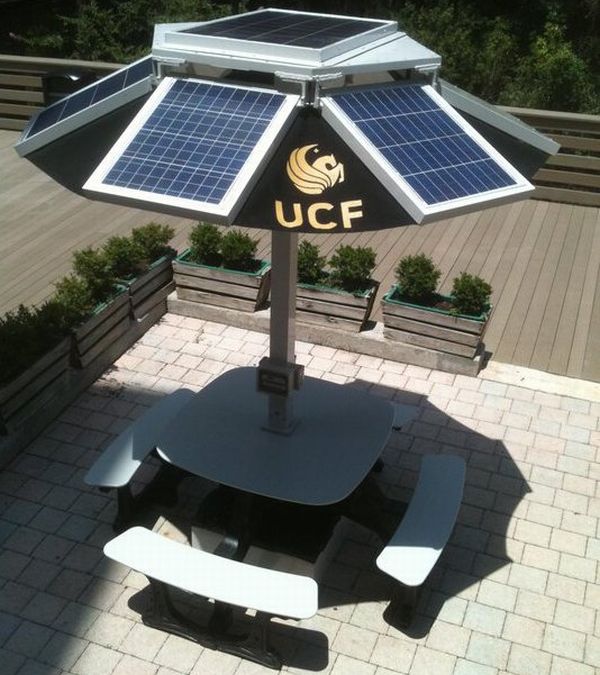
The Enerfusion charging station is a very stable, efficient, and appealing product. The charging station consists of 4 solar panels (1-100W and 3-60W panels), an umbrella at the top for shade from the sun, seating for multiple people, charging outlets, and a sturdy and reliable structure. The stru cture is built with aluminum and uses stainless steel fasteners to avoid rusting. The umbrella at the top of it blocks sunlight very well. It also allows for custom labelling on the cloth of the umbrella. The seating can be customized to fit other seating arrangements that the company has, that is, single seating arrangements, multiple seating arrangements, or even handicap adjustments. The chargers on the station have a GFCI outlet that provides ample charging amps/voltage to fit whatever device you want to plug up to it. The outlets are also surge protected to prevent device damage or a shortage in the outlet. In addition to the outlets, the table contains wireless charging areas for devices that can use that feature. Overall, the Enerfusion charging station is a highly capable and efficient device that allows for modularity so that the buyer can design it how they want.