 Narrow Band "Oscilloscope" for High Power Tuning of NMR Probes
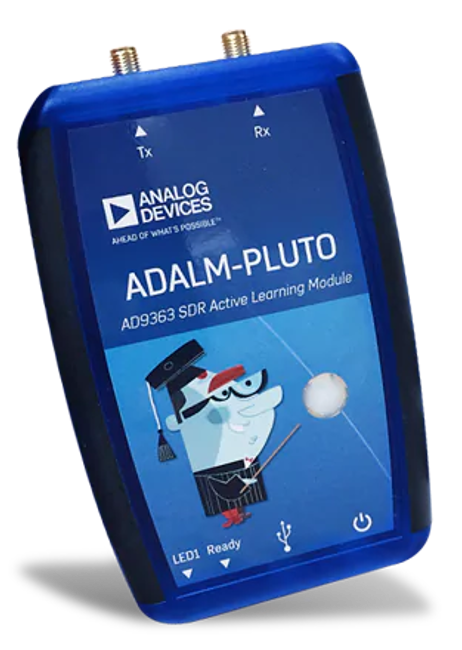
The National High Magnetic Field Laboratory performs an experiment that involves radio frequency pulses. The tools they use for the experiment are very expensive. For example, the oscilloscopes used for the experiment can cost upwards of $20K. While the oscilloscope is able to observe the experiment, many of its other features go unused. This creates the need for a cheaper, but just as effective solution. Our project uses a Software Defined Radio (SDR) as the oscilloscope’s cost-efficient replacement.
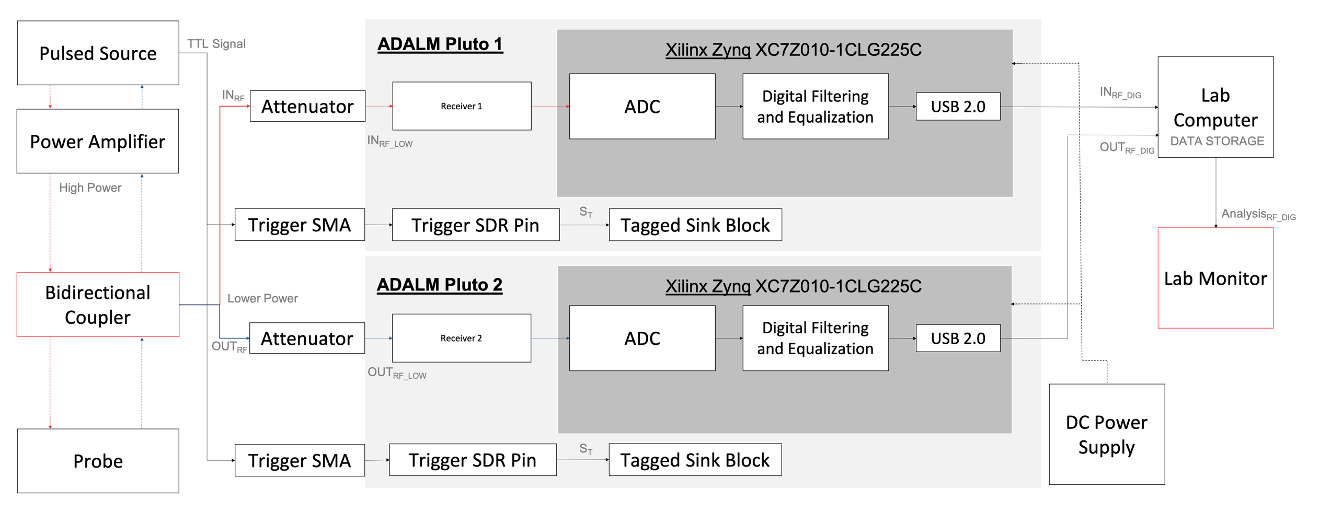
Our project develops an oscilloscope based on SDRs because it uses radio frequencies. We program the SDR to observe a range of frequencies. Then, the SDR is used in combination with software to record the incoming radio frequency pulses. That software displays the incoming data to the user as an oscilloscope would. As the data comes in, it must be aligned with the running experiment. To do this, we sync the SDR with the experiment using a trigger. We then add a second SDR set up the same way to observe the second set of pulses. Our SDR solution is then inserted into the experiment exactly where and how the oscilloscope would be hooked up.
Through the completion of this project, we are able to accurately measure, record, and display the radio frequency pulses from the experiment. It can also be programmed to observe different frequency ranges. This allows the SDRs to successfully copy the oscilloscopes. The user can make the correct adjustments to the experiment using our solution. Therefore, the Magnetic Lab can replace the oscilloscopes used for these experiments with our SDR solution. This helps the Lab to save thousands of dollars. It also allows them to use the oscilloscopes for other purposes instead of a simple observation.
TEAM INFO
T307 is comprised of 5 unique individuals who found a shared interest in this project.
Jonathan Burt
Computer Engingeering Major
Lead programmer. Reliable recorder of correspondance between the group. Key producer of insight to accelerate assignment finalization.
Gabriel De Leon
Computer Engingeering Major
The spearhead of website development. Essential monitor of team finances. Exemplary availability for assistance to others.
Emil Lobachev
Electrical Engingeering Major
Lead organizer to achieve targets. Key hardware and software integrator. Responsible for effective communication flow with external contacts.
Asher Rich
Computer Engingeering Major
Team Leader. Tasking assignor. Assignment verifier and finalizer. Administrator of agile operations.
Kyle York
Electrical Engingeering Major
Lead researcher. Principal circuit assembly and in charge of project design aspects. Information and communication reference point.

PROJECT SCOPE
To assemble a prototype using a Software Defined Radio (SDR) to mimic the operation of an expensive oscilloscope.
The SDR must be able to plot Radio Frequency (RF) pulses obtained from complex experiments effectively.
MEDIA
BLOCK DIAGRAM
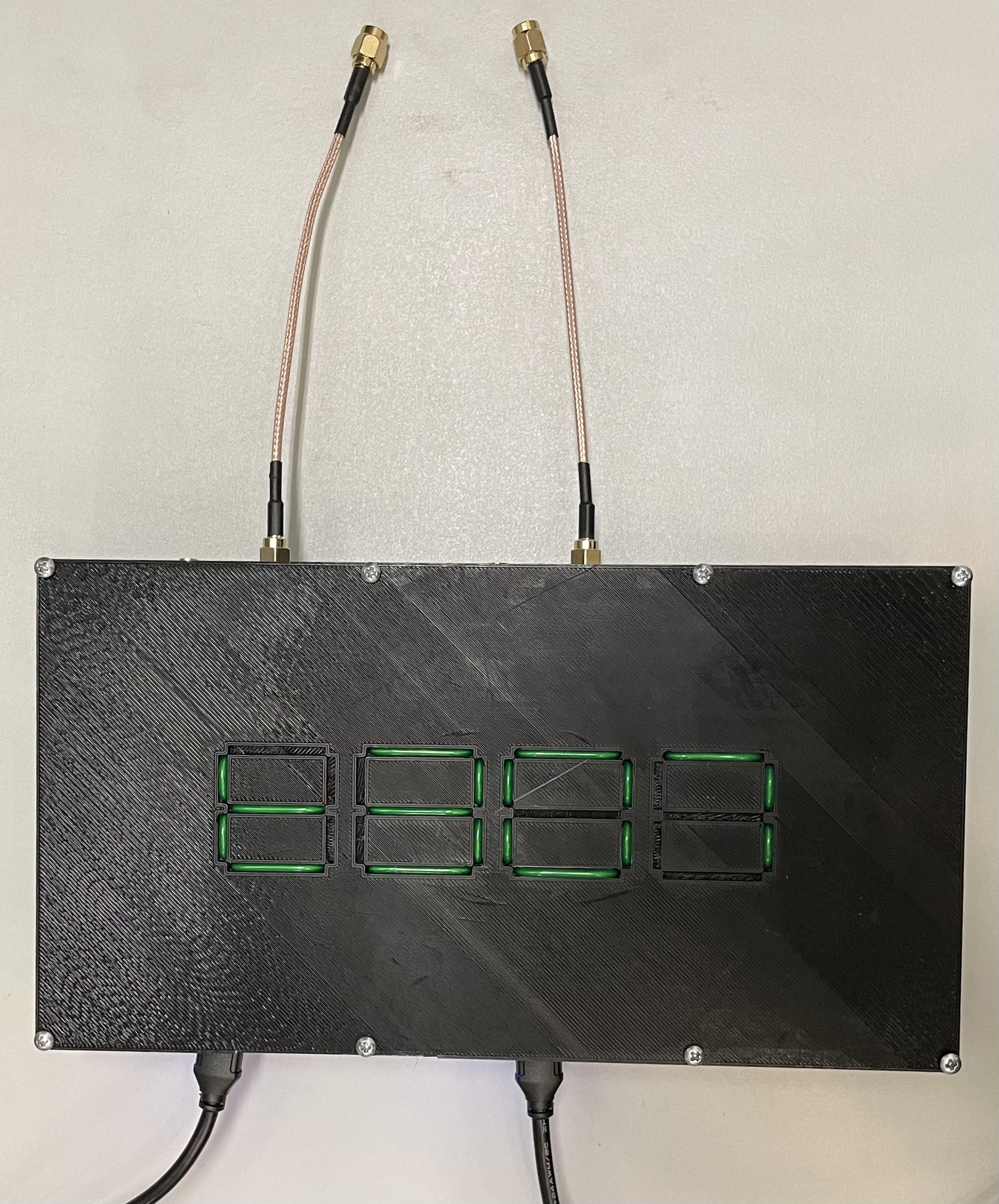
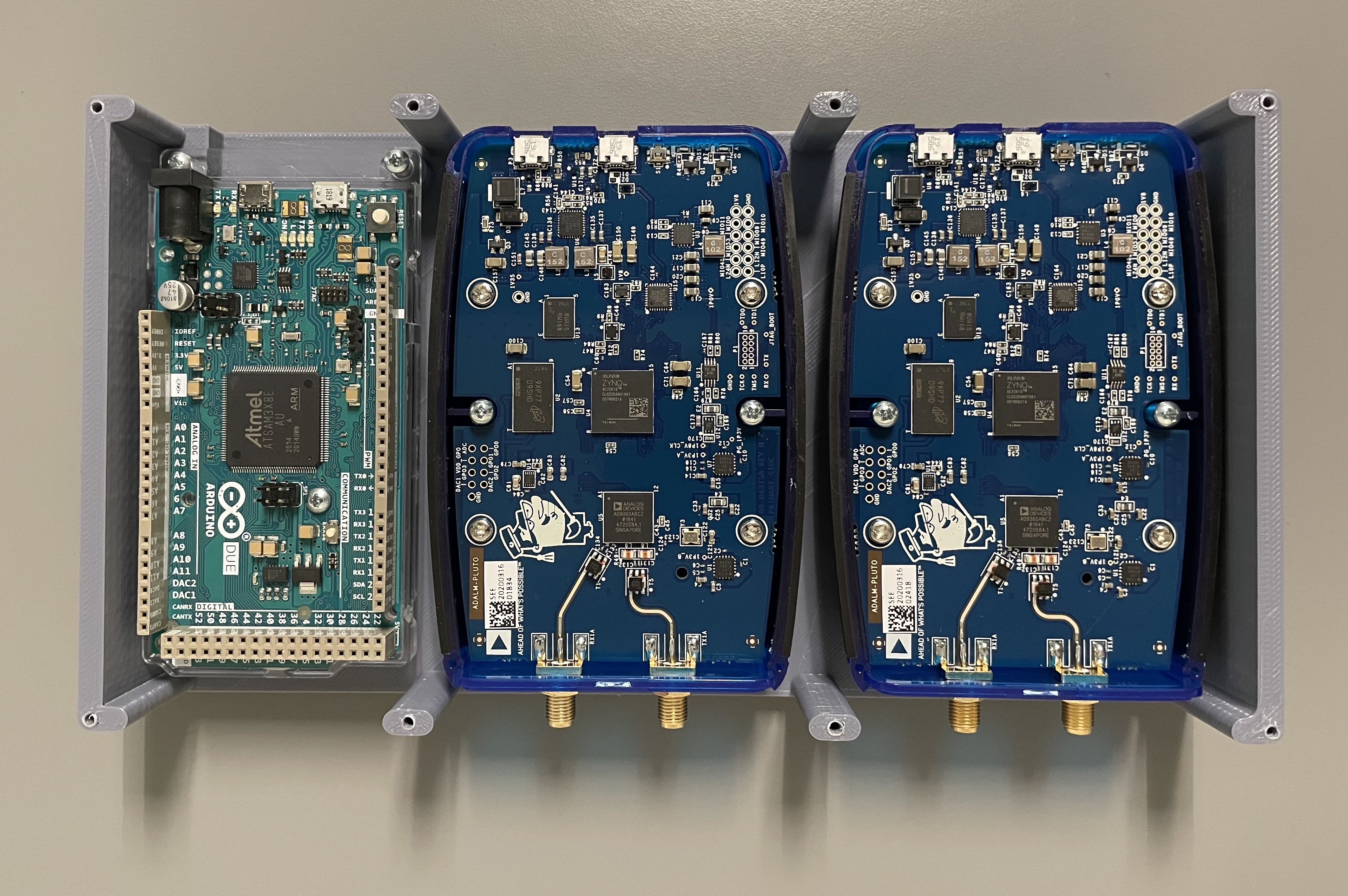
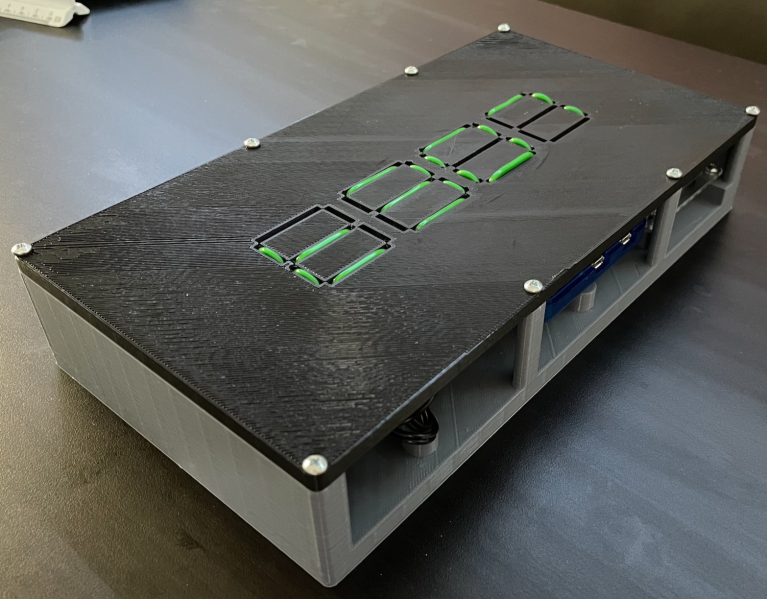
PROTOTYPE
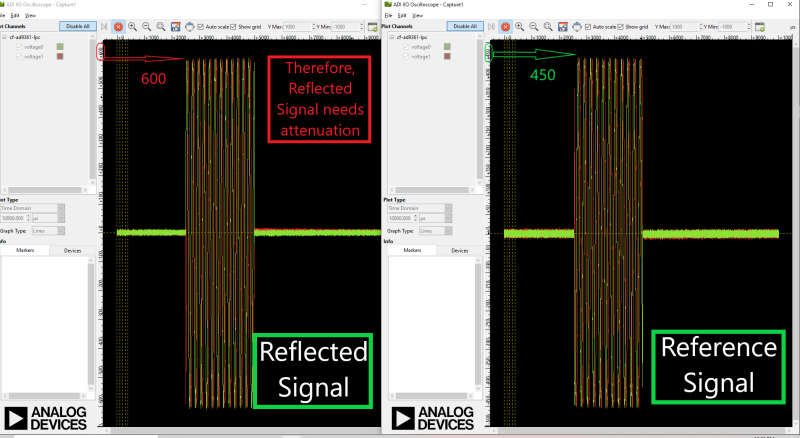
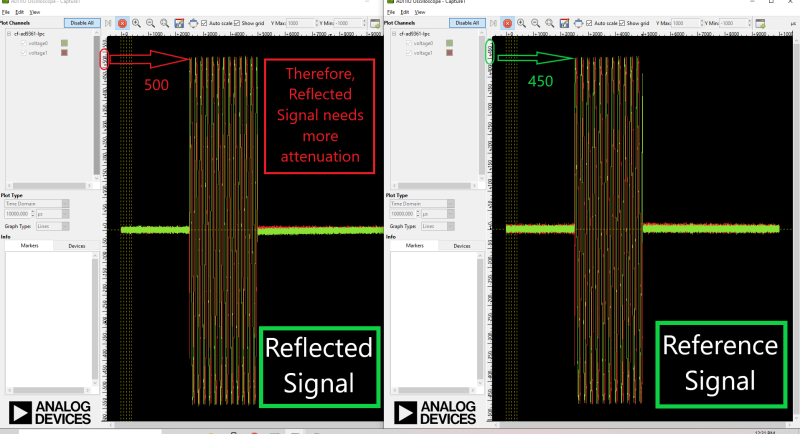
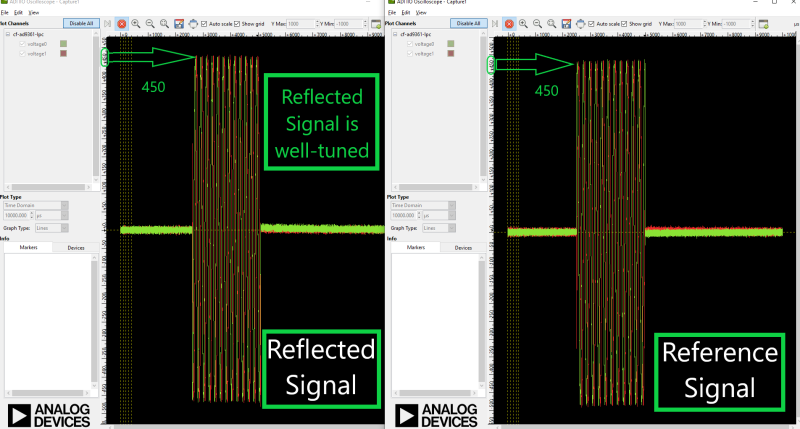
TUNING PROCESS DEMONSTRATION
FINAL DEMONSTRATION
ACKNOWLEDGEMENTS

FUTURE ENHANCEMENTS
The addition of the Arduino Due micro-controller expands the operation of the project in case the user wants to automate the process of tuning in the future.
Project Progress
We would love to hear your feedback!
Reach out to one of us directly: